Facebook
 X
X
 Pinterest
 Copy Link
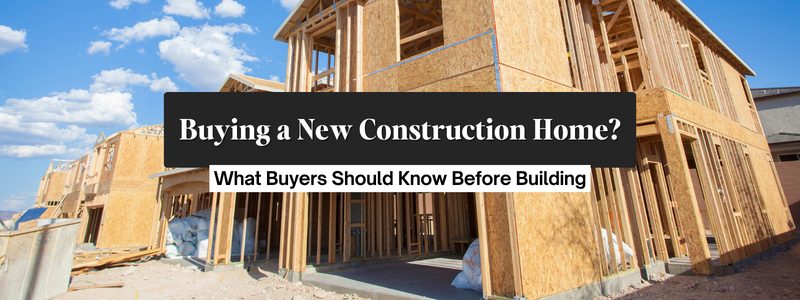
There’s something exciting about buying a brand-new home. Everything is fresh, there are no previous owners, and in many communities, buyers have the opportunity to choose finishes, colors, fixtures, and other details that help make the home their own.
But buying new construction is different from purchasing an existing home. From selecting a builder and understanding the construction timeline to evaluating upgrades, inspections, financing, warranties, and the surrounding community, there are several factors buyers should consider before signing a contract.
If you’re thinking about purchasing a new construction home in the Raleigh or Fuquay-Varina area, here are some important things to know before getting started.
New Construction Doesn’t Always Mean Move-In Ready
When buyers hear “new construction,” they may picture a completed home that is ready for its first owner. That is certainly one possibility, but new construction homes can be at several different stages, including:
- Fully completed homes
- Nearly completed homes
- Homes currently under construction
- Homes that have not yet been started
The stage of construction can affect the purchase timeline, financing, available selections, and even the buyer’s ability to customize certain features.
Before committing to a property, make sure you understand exactly what is being purchased, what stage construction is in, and when the builder currently expects the home to be completed.
The Base Price Isn’t Always the Final Price
One of the biggest surprises for new construction buyers can be the difference between an advertised base price and the home’s final purchase price.
Builders may offer a base model with additional features and finishes available as upgrades. Depending on the home and community, upgrades could include:
- Flooring
- Countertops
- Cabinets
- Lighting
- Appliances
- Outdoor features
- Additional rooms
- Structural changes
Individual upgrades can seem manageable, but several selections can add up quickly.
Before choosing finishes, buyers should understand which features are included in the base price and which will increase the cost. It is also important to consider how upgrades may affect the overall budget and monthly housing expenses.
The Model Home May Not Reflect the Base Package
Model homes are designed to showcase what a builder can offer. They are often beautifully furnished and may include upgraded flooring, countertops, lighting, landscaping, appliances, and other features that aren’t included in the base price.
When touring a model home, ask:
“Is this included in the base price?”
Then ask:
“If it isn’t included, what is the additional cost?”
Getting clear answers before making decisions can help prevent unexpected expenses later in the process.
You Can Still Get a Home Inspection
A common misconception is that brand-new homes don’t need inspections.
New doesn’t necessarily mean perfect.
A new home involves numerous systems, materials, contractors, and construction stages. An independent home inspection can provide an additional perspective and potentially identify items that need attention before closing.
Depending on the property, construction stage, contract, and buyer’s circumstances, some buyers may choose to have inspections at different points during construction. Others may have an inspection once the home is substantially complete.
The right approach depends on the specific situation, but buyers shouldn’t assume that purchasing new construction eliminates the need for due diligence.
Understand the Builder Warranty
Many newly constructed homes come with builder warranties that may cover certain construction defects or components for specified periods. However, coverage varies by builder and contract.
Before purchasing, buyers should understand:
- What the warranty covers
- How long coverage lasts
- What isn’t covered
- How warranty claims are submitted
- Who is responsible for addressing different issues
Keep copies of warranty documents and understand the process for submitting a claim. Knowing how the warranty works before an issue arises can make the process much easier if something needs attention after closing.
Construction Timelines Can Change
If you’re purchasing a home that hasn’t been completed, it’s important to have realistic expectations about the construction timeline.
A projected completion date can be useful for planning, but construction schedules may change because of:
- Weather
- Material availability
- Labor
- Permitting
- Inspections
- Changes made during construction
This is particularly important for buyers who are selling another home, ending a lease, relocating for work, or coordinating a move from another area.
Rather than planning everything around one projected date, buyers should discuss potential timing changes with their agent and understand the terms of their purchase contract.
Don’t Forget About the Neighborhood’s Future
When purchasing a home in a new development, you’re not just buying a house. You’re also buying into a community that may continue to evolve after you move in.
Ask questions about:
- Future phases of construction
- Planned amenities
- Roads and infrastructure
- Commercial development nearby
- Homeowners’ association rules and fees
- Future construction surrounding the property
The neighborhood you see when you first tour the community may look very different several years later. Understanding the development’s plans can help buyers evaluate both the current property and its long-term setting.
Location Still Matters—Even When Everything Is New
It can be easy to become focused on the excitement of a brand-new home, especially when touring a beautiful model.
But the fundamentals of real estate haven’t changed: location still matters.
A new home may have everything on your wish list, but it may not be the right fit if it creates a difficult commute or doesn’t provide convenient access to the places you visit regularly.
Consider proximity to:
- Work
- Schools
- Shopping
- Healthcare
- Recreation
- Major highways
- Future development
For buyers in the Triangle, this can be especially important as Raleigh, Fuquay-Varina, and surrounding communities continue to grow and change.
The goal isn’t simply to purchase something new. It’s to find a home and location that work for your lifestyle, budget, and long-term plans.
You Don’t Have to Navigate the Builder Process Alone
Some buyers assume that purchasing directly from a builder means they don’t need their own real estate agent.
That’s not necessarily the case.
Working with your own buyer’s agent can provide an advocate throughout the process who is focused on your interests and goals. An experienced local agent can help you:
- Understand the new construction process
- Compare builders and communities
- Evaluate pricing and available options
- Understand current market conditions
- Navigate negotiations
- Coordinate inspections
- Track important contract deadlines
- Evaluate the location and surrounding area
One important consideration: ask about the builder’s policies regarding buyer-agent representation before visiting or registering with a new construction community. Some builders have specific registration requirements, and addressing representation early can help avoid complications later.
New Construction Can Be a Great Opportunity—When You Know What You’re Buying
There are plenty of reasons buyers are attracted to new construction.
A new home can offer modern floor plans, energy-efficient features, current design preferences, and fewer immediate maintenance concerns. For some buyers, the ability to select finishes and create a home that reflects their preferences is another major advantage.
But the excitement of buying something brand new shouldn’t replace careful research.
The more buyers understand about the builder, community, contract, upgrades, timeline, inspections, warranty, and long-term costs, the more confidently they can make their decision.
Start With the Right Questions
Before purchasing a new construction home, don’t be afraid to ask questions. Understand what you’re buying, what’s included, what costs extra, how the construction process works, what the community’s future may look like, and what happens if the timeline changes.
Most importantly, build your real estate team early.
If you’re considering buying a new construction home in Raleigh, Fuquay-Varina, or another Triangle community, connect with one of our experienced local agents before you get started. Our agents can help you compare communities, understand the local market, evaluate your options, and navigate the process from the first conversation through closing.
A brand-new home can be an exciting next chapter. With the right preparation and guidance, you can enjoy the process while making a decision that fits your goals and your future.